The After-School Snack Station: Ending the 3:30 Pantry Raid
Quick Answer: Set up a self-serve snack station at kid eye level — one fridge bin and one pantry basket — stocked with pre-portioned, pre-paired options (apple slices with cheese, crackers with hummus). Pairing carbs with protein prevents the crash that turns into dinner refusal. Then close the kitchen one hour before dinner, so the 3:30 hunger gets answered on purpose and 5:30 grazing doesn’t.
3:30pm. The door opens. Someone who has apparently not eaten in a decade goes straight for the pantry, eats crackers standing up with the door open, and by 4:15 has no appetite for dinner and a slightly unpleasant personality.
The after-school hour is the hungriest hour of a kid’s day, and left unmanaged it becomes a raid.
The snack station converts the raid into a system: self-serve, pre-portioned, and stocked so that whatever they grab is fine.
How Do You Set Up a Kids’ Snack Station?
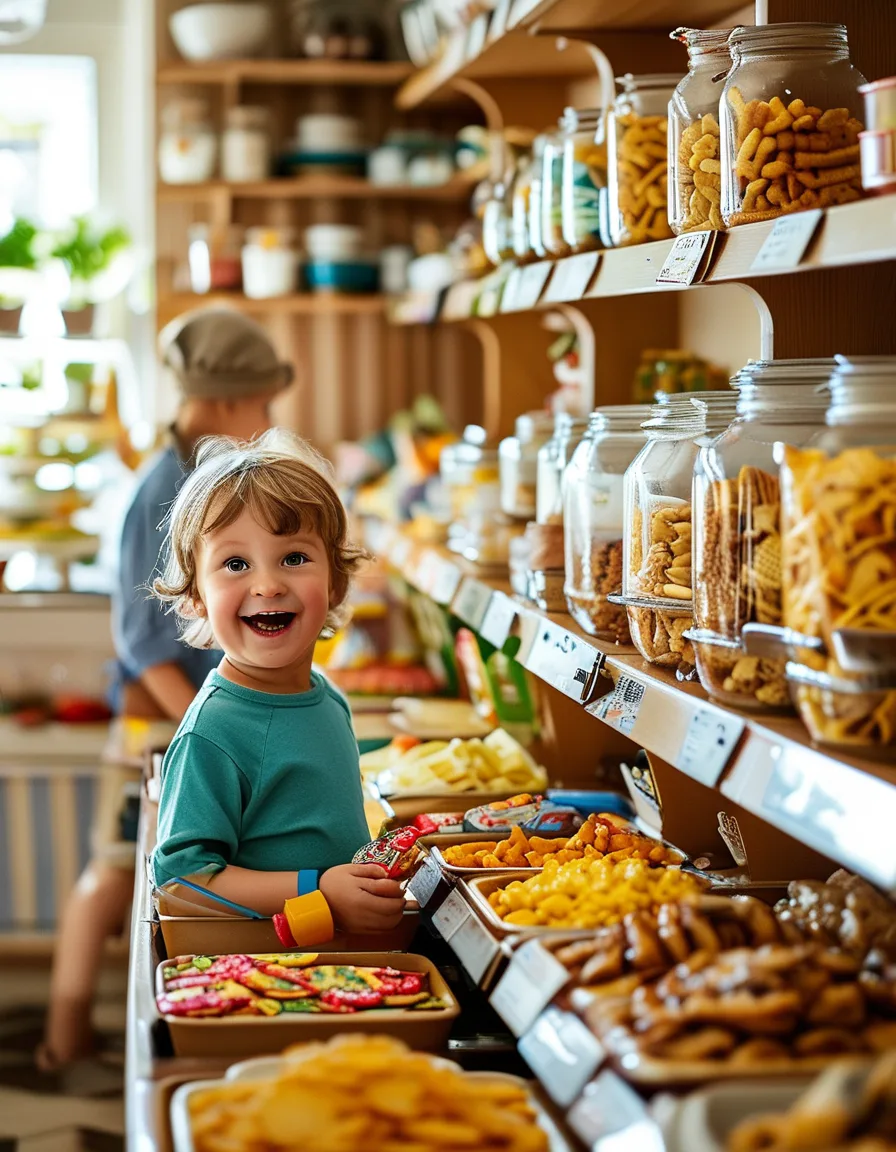
Two containers, one rule: it has to be at their eye level.
The fridge bin. A clear plastic bin on a low shelf they can reach without a chair. Stock it with:
- Cut fruit in small containers (grapes, apple slices, melon, berries)
- Cheese sticks or cubes
- Yogurt cups or tubes
- Hummus cups with baby carrots or cucumber
- Hard-boiled eggs, for the protein-inclined child that some households are lucky enough to have
The pantry basket. Low shelf, same principle:
- Portioned crackers and pretzels
- Nut butter packets
- Trail mix or dried fruit in small bags
- Popcorn portions
- Rice cakes
Visibility is destiny at kid height just as it is at adult height. What they can see and reach is what gets eaten — and the whole station is really just choice architecture in a basket. You decided what goes in; they decide what comes out. Everybody wins one.
Why Does Pairing Matter So Much?
Because a solo-carb snack at 3:30 crashes at 4:45, and the crash arrives right when dinner is being served.
The formula: something with protein or fat, plus something with fibre or carbohydrate. Pre-pair the items so the grab is automatically balanced and no negotiation happens:
- Apple slices bagged with a cheese stick
- Crackers bagged with a hummus cup
- Pretzels with a nut butter packet
- Yogurt cup with a small bag of berries or granola
- Popcorn with a cheese cube
The pairing does two things at once: it steadies energy, and it makes the snack genuinely filling enough to bridge to dinner rather than being inhaled and forgotten in eleven minutes.
If your kids are old enough, get them building the pairs on Sunday. Participation makes the station theirs, and kids eat what they helped assemble.

What’s the Sunday Prep Work?
About 20–30 minutes, once a week, and it’s the part that makes everything else run.
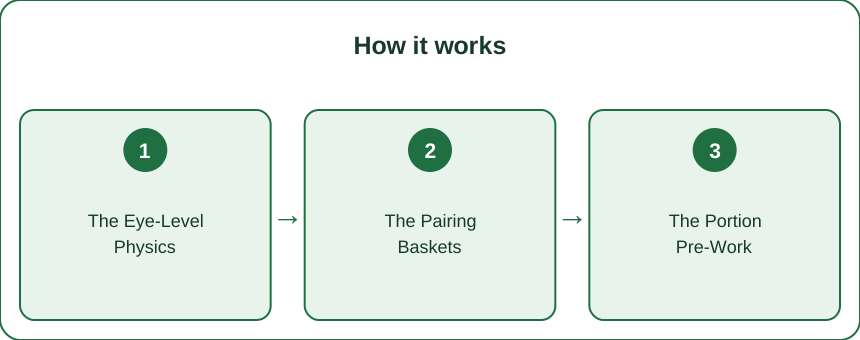
- Portion the bulk items. Big bags into small bags or reusable cups. An open sleeve of crackers has no bottom; a portioned bag does. This single change does most of the work.
- Wash and cut fruit for the first few days. Cut fruit gets eaten; whole fruit in a bowl gets admired.
- Build the pairs — physically bag them together so the grab is one motion.
- Restock both containers so the station is visibly full on Monday.
- Set the daily allotment framing. “Anything from the station” is a much better sentence than “anything, endlessly.” Autonomy inside structure — pick two items, your choice.
The framing matters more than it sounds. Kids given a bounded choice generally take the deal without arguing; kids given no choice negotiate constantly, and kids given unlimited choice eat crackers.
What Nobody Tells You About the After-School Hour
The hunger is real, and it’s usually a lunch problem. School lunch periods are short, loud and often early. A kid who ate a third of their lunch at 11:10 is genuinely running on empty by 3:30 — this isn’t greed, and treating it as a discipline issue makes it worse.
Thirst impersonates hunger, convincingly. Kids come off a school day mildly dehydrated. A glass of water offered first, before the station, resolves a surprising share of “I’m starving.”
Sitting down matters. A snack eaten standing at the counter with a screen barely registers. Two minutes at the table and the same food is more satisfying.
The station reduces your involvement, which is the point. No asking, no fetching, no adjudicating. You built the options once on Sunday; the rest of the week runs itself.
Restock visibly. A half-empty station reads as scarcity and triggers hoarding behaviour. Fill it up.
When Should You Close the Kitchen?
One hour before dinner. This is the station’s partner rule, and it’s non-negotiable if you want the whole thing to work.
The station deliberately opens the 3:30 valve — feeds the genuine hunger, properly, with something balanced — precisely so that the kitchen can close at 5:00 with a straight face. Grazing between 5:00 and 6:00 is the direct supply chain for dinner refusal.
Say it plainly and consistently: the station’s open after school and closed an hour before dinner. Kids adapt to a predictable rule remarkably fast, and much faster than they adapt to a rule that depends on your mood that day.
Hunger at dinner was the plan all along.
When to see a professional: persistent extreme hunger, very restricted eating, a sharply narrowing list of accepted foods, or any concern about growth is worth raising with a paediatrician or a paediatric dietitian rather than solving with organisation.
What are good after-school snacks for kids?
Pair a protein or fat with a carb: apple with cheese, crackers with hummus, yogurt with berries, pretzels with nut butter, popcorn with a cheese cube. The pairing keeps energy steady and prevents the crash that ruins dinner appetite.
How do I stop my kids from snacking before dinner?
Feed the real hunger properly at 3:30 with a balanced snack, then close the kitchen one hour before dinner and keep the rule consistent. The grazing problem is usually caused by an unsatisfying after-school snack, not by a lack of willpower.
Should kids have unlimited access to snacks?
Bounded choice works better than either extreme. Stock the station with options you’re happy with, set a simple allotment (“two things from the station”), and let them choose freely within it. Unlimited access tends to produce carb-only grazing; no autonomy produces constant negotiation.
TL;DR:
- One fridge bin + one pantry basket, both at kid eye level. Visible and reachable wins.
- Pre-pair every snack — protein or fat with a carb — so the grab is automatically balanced.
- 20–30 minutes of Sunday prep: portion, cut, pair, restock.
- Offer water first — thirst impersonates hunger after a school day.
- Frame it as bounded choice: “two things from the station.”
- Close the kitchen one hour before dinner. That’s what makes the 3:30 valve safe to open.
Keep Reading
This article is for general informational purposes only and is not medical advice. Always consult a qualified health professional for guidance specific to you.